








Design System Benchv1
Design System Bench measures whether coding agents build new UI from a repo's own design system or write their own markup instead.
Nov 16, 2026 · by 21st · 4 min read
We gave 14 models a short ticket from a real product's repo and asked each one to build the UI it describes. 20 tasks from 6 open-source products with their own design systems: Cal.diy, Supabase, PostHog, Trigger.dev, Polar and Plane.
Fable 5.2 in Claude Code scored highest, a few points ahead of Gemini 4 Carbon and GPT-6 Astra. Every model still hand-builds some of what the repo already has, mostly buttons and badges, and the middle of the table is close to a tie.
How it works
The tasks
10 tasks where we deleted one component file and the agent writes it again, and 10 where it rebuilds a merged pull request. The human's version is hidden.
What models get
The whole repo and a 2 to 4 sentence ticket, the way people really ask. It doesn't say which components to use.
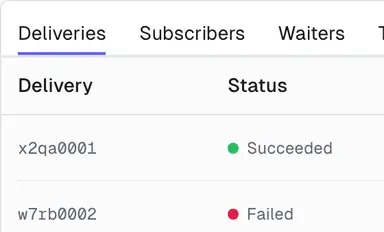
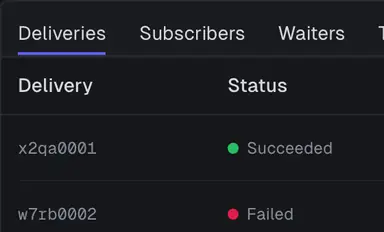
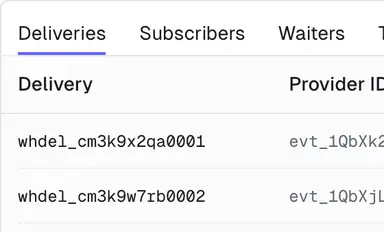
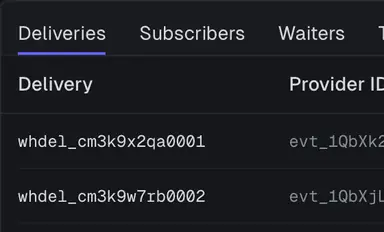
<TableRow key={delivery.id}> <TableCell to={deliveryPath}> <span className="flex items-center gap-1.5"> <TruncatedCopyableValue value={delivery.friendlyId} className="text-xs" /> {delivery.isTest ? <Badge variant="extra-small">Test</Badge> : null} </span> </TableCell> <TableCell to={deliveryPath}> <DeliveryStatusBadge status={delivery.status} /> </TableCell> <TableCell to={deliveryPath}> {delivery.externalDeliveryId ? ( <div className="w-[24ch]"> <MiddleTruncate text={delivery.externalDeliveryId} className="font-mono text-xs" /> </div> ) : ( <span className="text-text-dimmed group-hover/table-row:text-text-bright"> None </span>
The models
Each runs in its maker's own agent: Claude Code, Codex, Gemini CLI, Grok Build and so on, at medium thinking.[1]
One run, 60 min
One run per task in a sandbox. Running out of time counts, and is graded on whatever the agent wrote.
Scoring
Of the design-system components the human used, the share the agent used too, counted over the parts it built at all. Another design-system component a maintainer would accept also counts.[2]
Checking the grader
The human's own change scores 100 on all 20 tasks, and every trace shows the intended model answering.
Results
Leaderboard


The faint band is the 95% interval over tasks. Cost and time are per task. * Tokens times the host's price: the agent doesn't report cost.
What they built
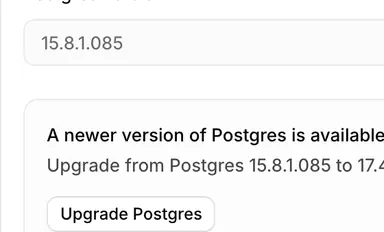
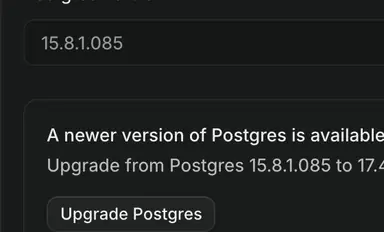
Each change rendered in the product's own app: the human's first, then every model's, best score first.[5]
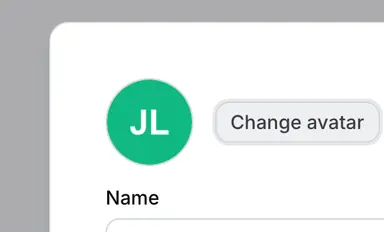
Ticket Add EditForm (named export) in apps/web/modules/users/components/UserTable/EditSheet/EditUserForm.tsx so org admins can edit a member from the users table side sheet: avatar, name, username, bio, role and timezone. The Owner role option should only appear when the signed-in user is an org owner. For now, submitting just exits edit mode; the server call comes later.
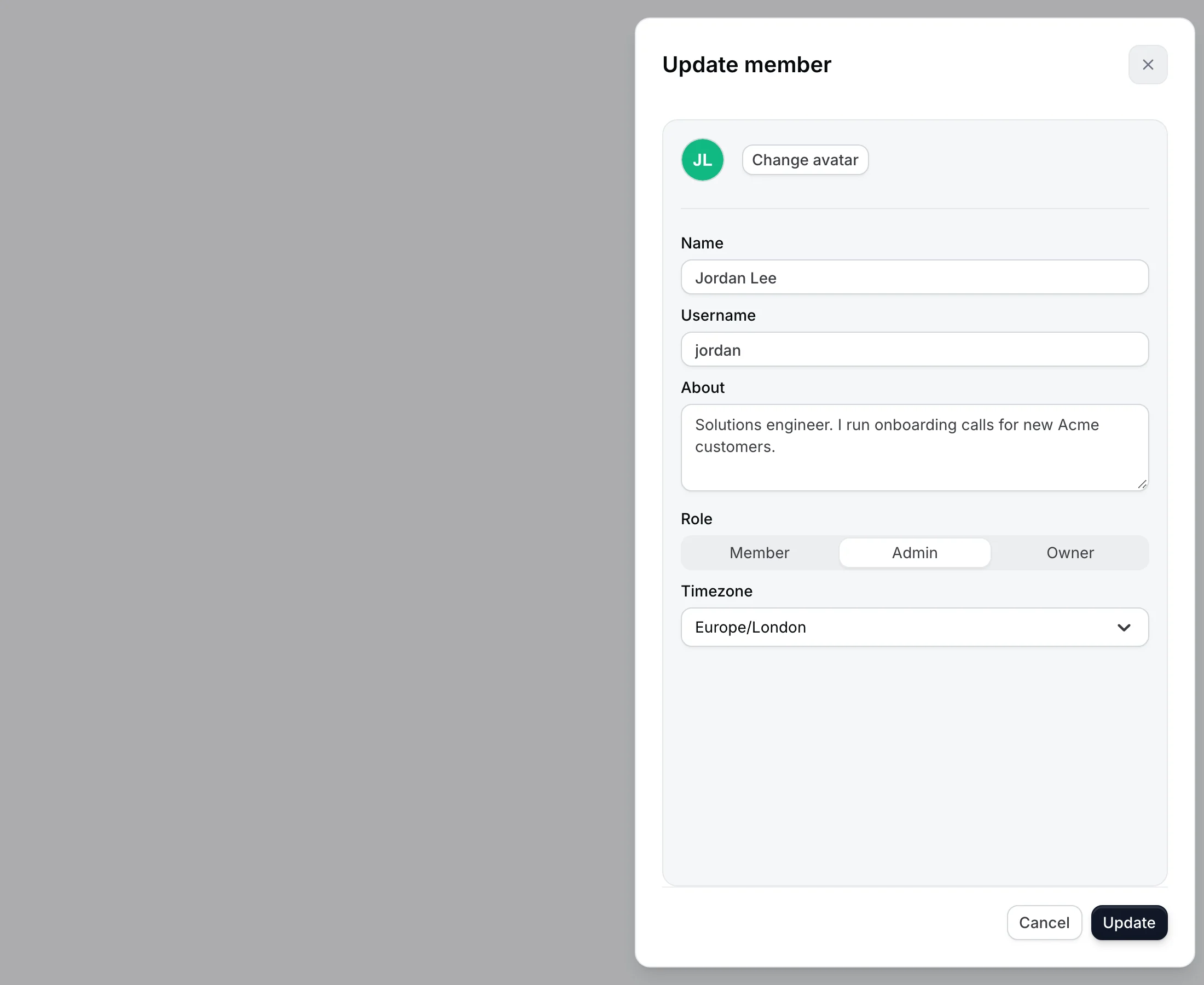
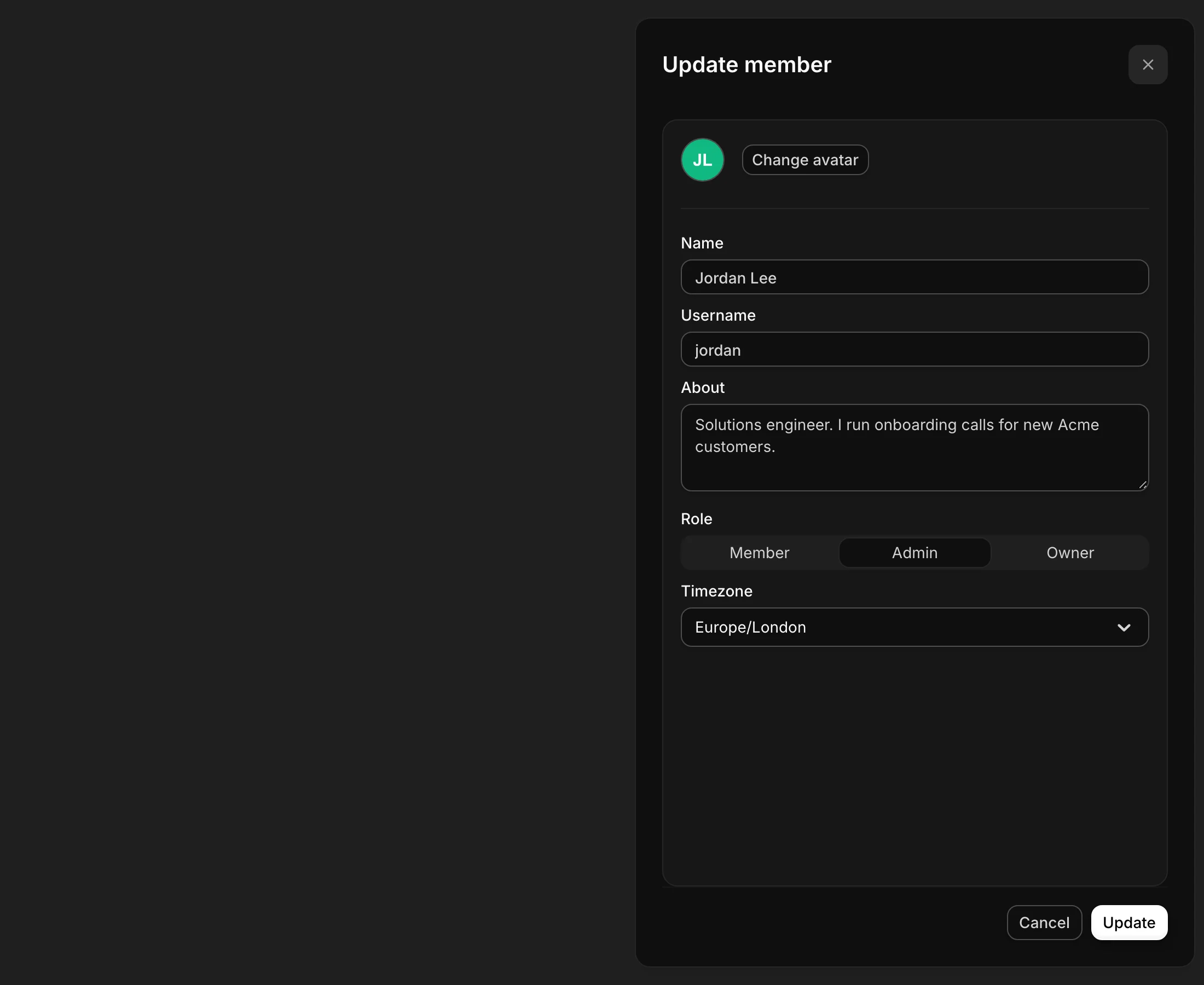
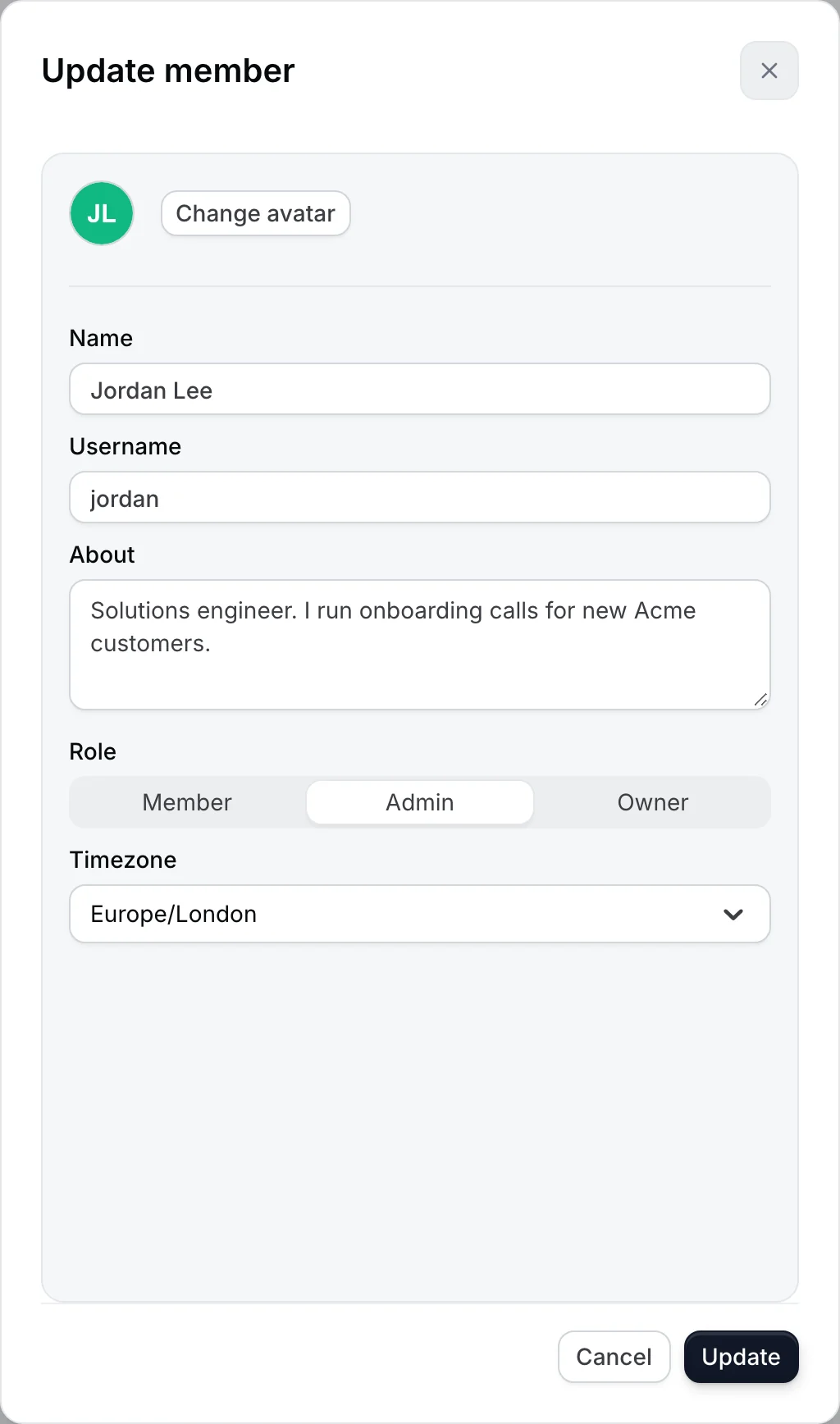
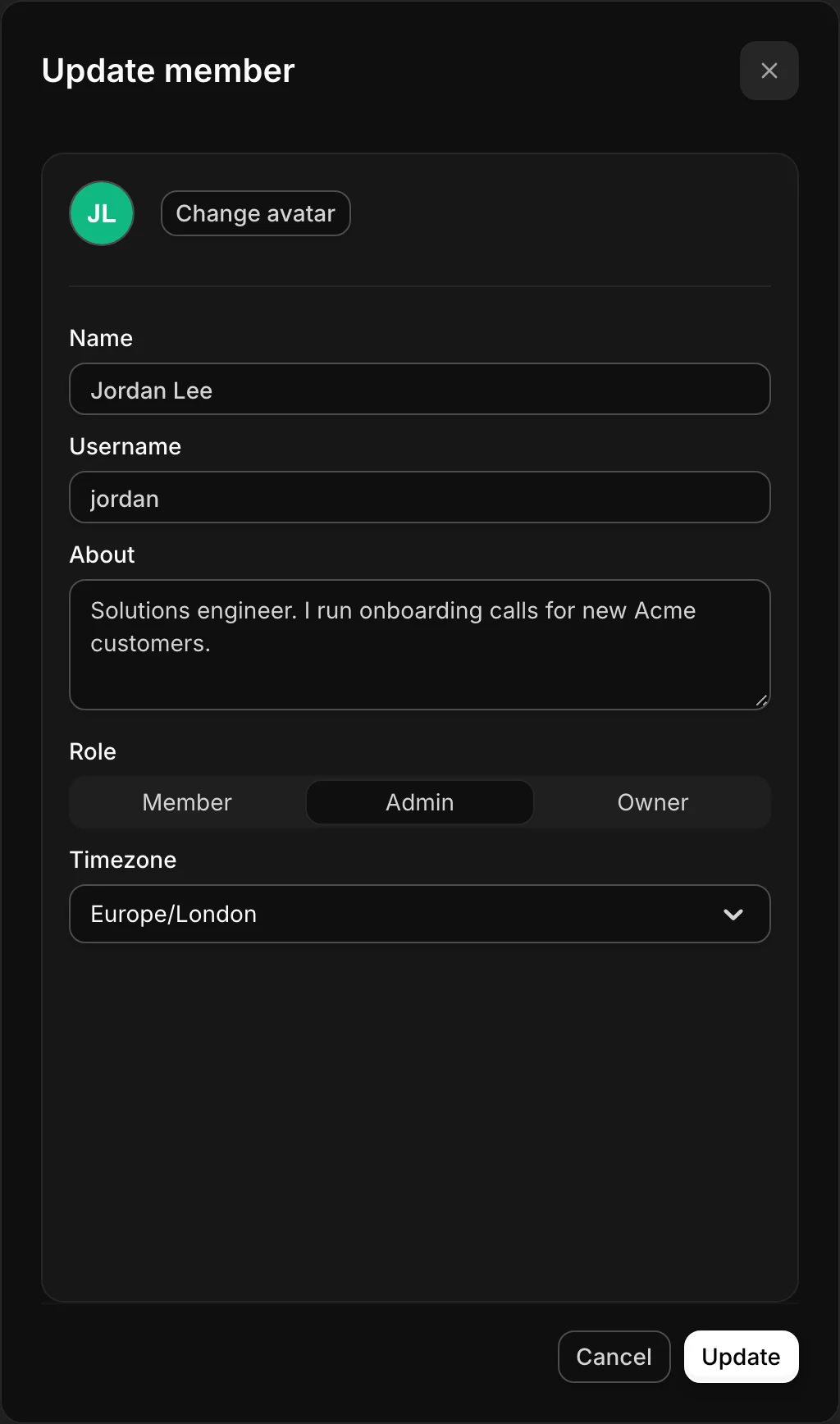
2 didn't render. 10 hand-built at least one part the repo has a component for. Score is reuse on built parts for this task. Click a tile to compare it with the human's.
Insights
Most of the time the agent finds the component
Over 280 runs the human's changes used 3,458 design-system components. Agents used the same one 61% of the time and another design-system component 15%. They hand-built 7%.
What gets hand-built: buttons and badges
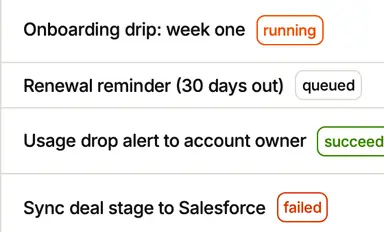
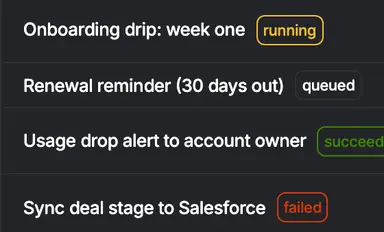
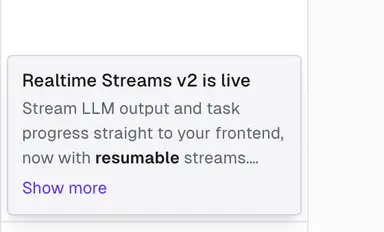
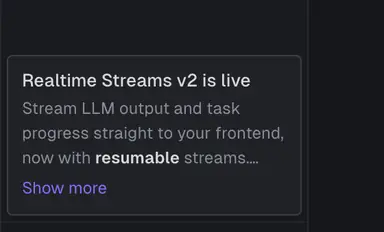
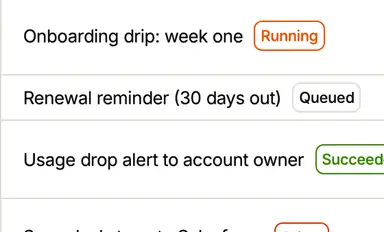
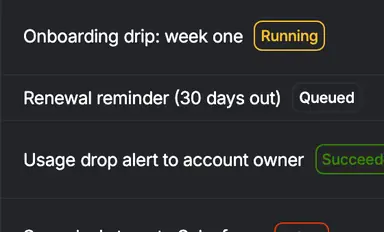
Button (27 runs) and Badge (19) top the list. On one Trigger.dev table, 13 of 14 models wrote a styled span for a "Test" tag the repo already has as <Badge>.
Plane is the hardest repo
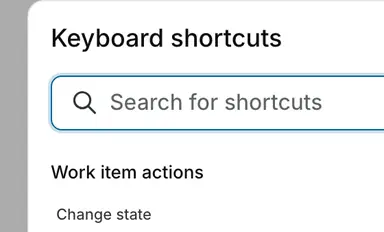
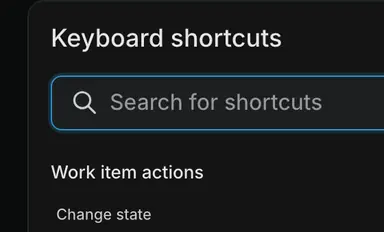
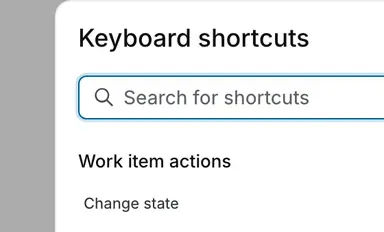
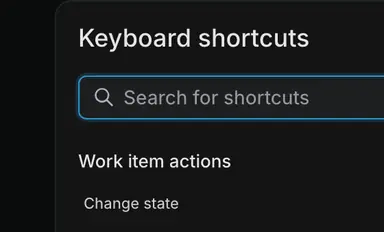
The average model scores 87 on Supabase and 63 on Plane. Plane's worst task is the shortcuts dialog, where 11 of 14 models wrote their own search input.
More time doesn't buy more reuse
Fable 5.2 scored 85 in 1.4 minutes a task; Gemini 4 Carbon took 32 for 83, and MiMo V2.6 Pro 29 for 67.
Nobody builds the whole ticket
Models build 44 to 59% of the hidden checklist, the human 98%. The ticket leaves most of it unsaid, so that's a measure of scope, not quality.[3]
The agent around the model matters
We first ran every model in the same agent, mini-SWE-agent. GPT-6 Astra scored 69 there and 80 in Codex; GPT-6.1 Sol 65 and 79. The two runs used different thinking levels, so this isn't a clean comparison.[4]
Notes
- [1]
Gemini 4 Carbon ran at high thinking (Gemini CLI has no medium for it); every other model ran at medium. DeepSeek V4 Pro isn't in the table; our API account blocks providers that train on prompts, and that blocked it. Costs marked * are tokens times the host's price, because those agents don't report cost.
- [2]
A second model decides whether a different component would be accepted. One run per task on 20 tasks only separates gaps of about 10 points: the top (Fable 5.2 85, Gemini 4 Carbon 83, GPT-6 Astra 80) and the bottom (Kimi K3.1 Pro 68, MiMo V2.6 Pro 67) differ, and the middle is close to a tie.
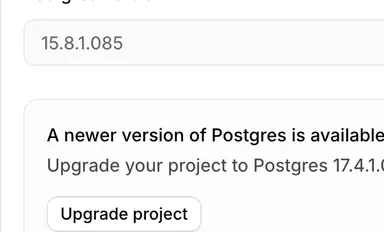
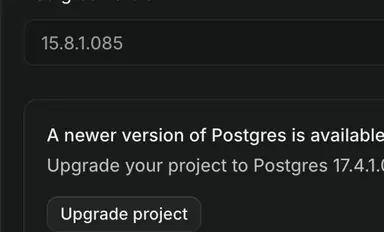
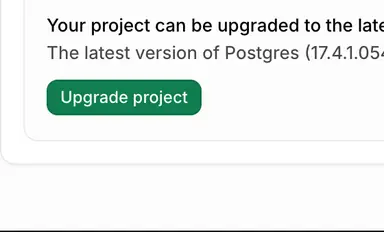
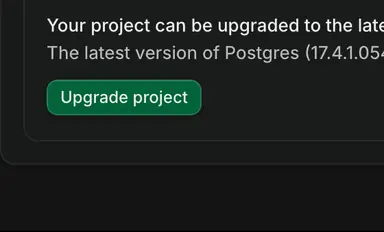
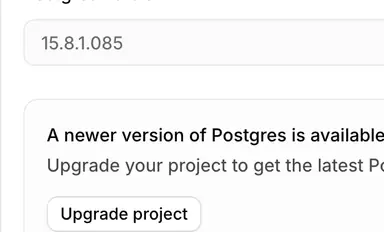
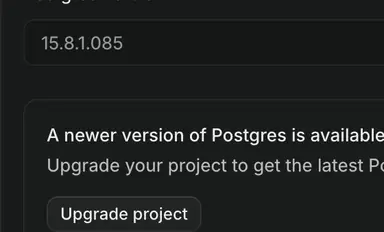
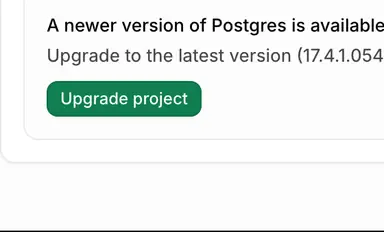
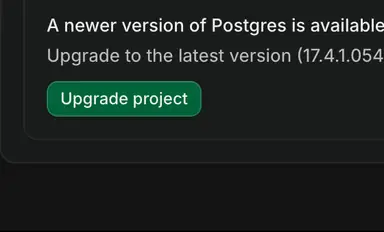
The score doesn't check that the code builds: in the renders, GPT-6 Astra and GPT-6.1 Sol don't build on Cal.diy's edit-user form (they import a path the package doesn't export) yet scored 85 and 85 on it, and Kimi K3.1 Pro doesn't build on Supabase's upgrade alert.
- [3]
A blind judge marks each checklist item against the diff. The checklist is written from the full spec, so it includes exact labels the ticket never mentions.
- [4]
The first experiment ran each model at its provider's default thinking (GPT at medium, Claude at high, Kimi and GLM at max), used Kimi K3 rather than K3.1 Pro, and Fable 5.2 at low thinking. So comparing it with the second experiment, each model in its own agent, isn't a clean comparison.
- [5]
Four of the six repos (Trigger.dev, Cal.diy, PostHog and Plane) were rendered on a Vite page inside the repo with its real styles and design-system packages, not the full app with its server.